Tips for Maintaining Eye Health and Eyesight
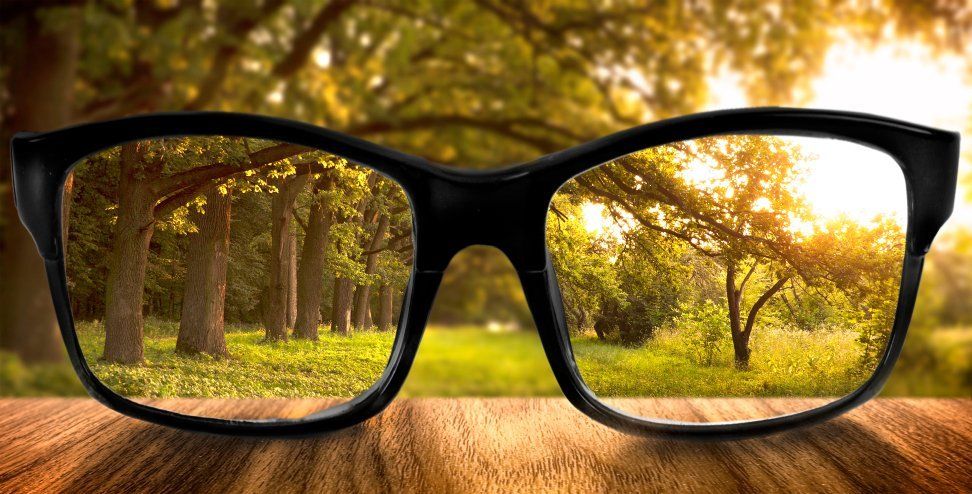
There’s a lot we can’t control about how our vision changes over time, but there are plenty of everyday habits that can help us take better care of our eyes as we age. Eating well, protecting our eyes from UV exposure, keeping contacts clean, taking breaks from screens, and staying current with eye exams can all support long-term eye health. The key is consistency—small choices made regularly can go a long way toward helping us maintain comfortable, healthy vision.
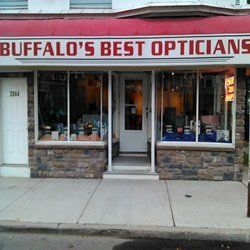
At Buffalo’s Best Opticians LLC, we work with adults throughout Buffalo and surrounding Western New York communities who want to protect their eyesight, keep their prescription current, and find eyewear that works well for their lifestyle. Whether you wear prescription glasses, reading glasses, or contact lenses, a few good habits can make a meaningful difference in how your eyes feel and function from day to day.
Eat With Eye Health in Mind
A balanced diet supports your overall health, and your eyes benefit from many of the same nutrients that are good for the rest of your body.
Try to regularly include foods such as:
- Dark leafy greens like spinach, kale, and collard greens
- Fish such as salmon and tuna that contain omega-3 fatty acids
- Eggs
- Carrots and sweet potatoes
- Citrus fruits
- Bell peppers
- Nuts and seeds
- Beans and other legumes
Rather than focusing on one specific “eye-health food,” aim for variety. Maintaining your overall health can also matter because conditions such as diabetes and high blood pressure may affect the eyes and vision over time.
Be Thoughtful About Vitamins and Supplements
You may have seen supplements marketed specifically for eye health. Certain vitamins and minerals, including vitamins C and E, zinc, lutein, and zeaxanthin, are commonly associated with vision health, but that does not mean everyone needs to take an eye supplement.
Some high-dose vitamin and mineral formulas are recommended for people with specific stages of age-related macular degeneration. They are not intended as a general preventative supplement for every adult.
If you are considering adding vitamins or supplements for your eyes, talk with your doctor or eye care professional first. They can help you determine what makes sense based on your age, diet, medications, and individual health history.
Keep Your Hands Away From Your Eyes When They’re Not Clean
This sounds simple, but it is one of those habits that is easy to forget.
Throughout the day, our hands come into contact with phones, keyboards, door handles, shopping carts, and countless other surfaces. Touching or rubbing your eyes without washing your hands can introduce dirt, oils, and germs.
Before touching the area around your eyes or handling contact lenses, wash your hands thoroughly with soap and water and dry them well.
If your eyes regularly feel itchy or irritated, try not to rub them. Persistent irritation may be a sign that it is worth checking in with an eye care professional.
Take Contact Lens Care Seriously
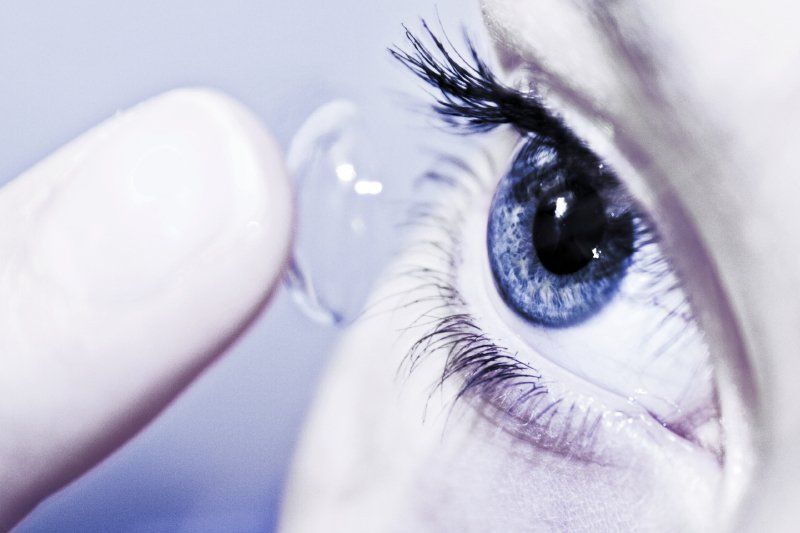
If you wear contact lenses, a good cleaning routine is essential for both comfort and eye health.
A few habits are especially important:
- Wash and dry your hands before inserting or removing your lenses.
- Use fresh contact lens solution recommended for your lenses.
- Never use saliva to clean or wet your contacts.
- Avoid exposing contact lenses or cases to nonsterile water unless specifically instructed otherwise.
- Clean and replace your lens case as recommended.
- Follow the replacement schedule for your lenses.
- Do not continue wearing lenses if your eyes become unusually red, painful, sensitive to light, or irritated.
Buffalo’s Best Opticians LLC offers several contact lens options, including Acuvue contacts, and our team can help you understand how to properly care for the specific lenses you wear.
Be Careful With Makeup and Products Around Your Eyes
Makeup, creams, cleansers, and hair products can all irritate the eyes if they are used carelessly.
Always wash your hands before applying products around your eyes. Avoid sharing mascara, eyeliner, brushes, or other eye cosmetics with other people.
If you wear contacts, it is generally helpful to insert clean lenses before applying makeup. Be especially careful with lotions, sprays, soaps, and other products that could get onto your lenses or directly into your eyes.
If a particular product repeatedly causes burning, redness, or irritation, stop using it around the eye area.
Give Your Eyes a Break From Screens
Many of us spend hours each day looking at computers, phones, tablets, and televisions. While screen use itself does not mean you are damaging your eyes, long periods of uninterrupted screen time can leave them feeling tired, dry, or strained.
One easy habit to try is the 20-20-20 rule: about every 20 minutes, look at something roughly 20 feet away for at least 20 seconds.
You can also make screen time more comfortable by:
- Blinking regularly
- Reducing glare from windows and overhead lighting
- Keeping your screen at a comfortable viewing distance
- Increasing text size instead of leaning toward the screen
- Taking longer breaks during extended periods of computer work
- Making sure your glasses or contact lens prescription is still accurate
If you find yourself constantly squinting at a screen, holding your phone farther away, or struggling with menus and small print, it may also be time to consider whether reading glasses or an updated prescription would be helpful.
Protect Your Eyes From UV Exposure
Sunglasses are not just about comfort or style. Quality sunglasses can also help protect your eyes from ultraviolet radiation.
Look for lenses that block 99% to 100% of UVA and UVB rays when you are spending time outdoors.
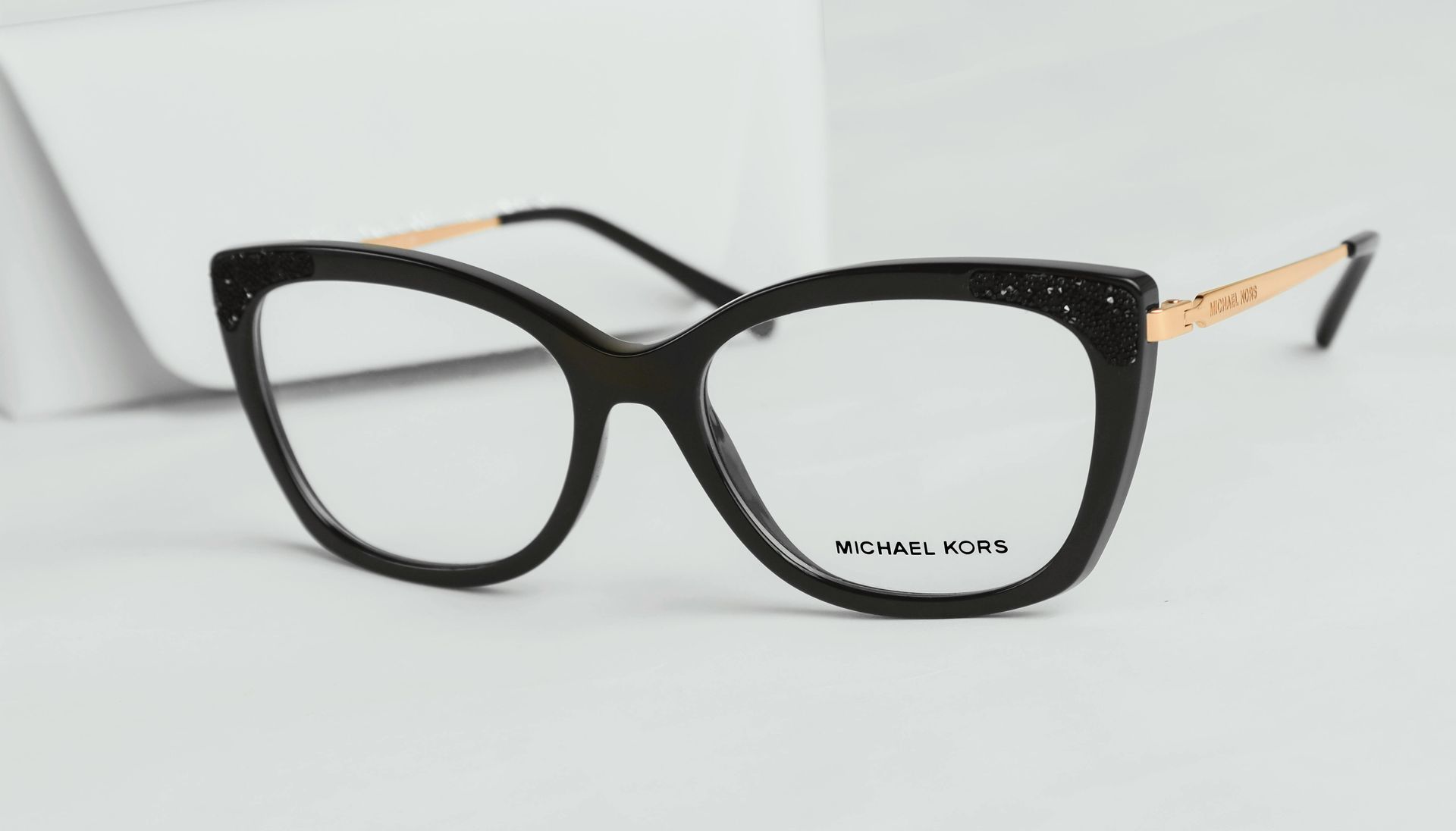
Buffalo’s Best Opticians LLC carries a wide selection of eyewear, including RayBan frames, Cazal frames, and other designer glasses frames, so you can choose eyewear that fits both your vision needs and personal style.
And remember: sunglasses are not a replacement for proper safety glasses. If you are working with tools, chemicals, flying debris, or participating in certain sports, use appropriate protective eyewear.
Avoid Smoking
Smoking can increase the risk of several eye conditions, including cataracts and age-related macular degeneration.
If you smoke, quitting is one of the positive steps you can take for your eye health as well as your overall health. If you need help stopping, your health care provider can point you toward resources and support.
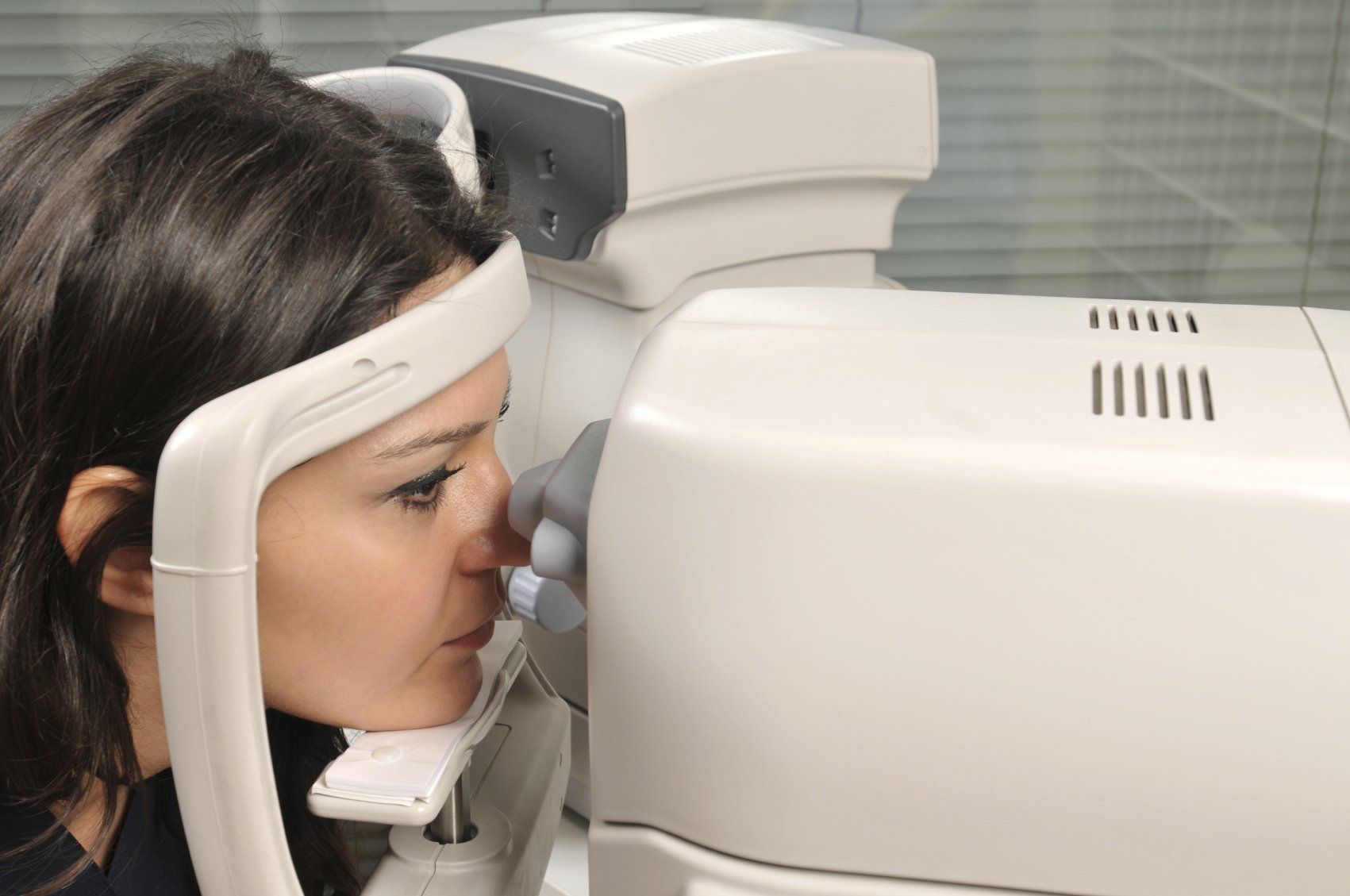
Stay Current With Eye Exams
It is easy to assume that everything is fine if you can still see reasonably well, but changes in vision do not always happen all at once.
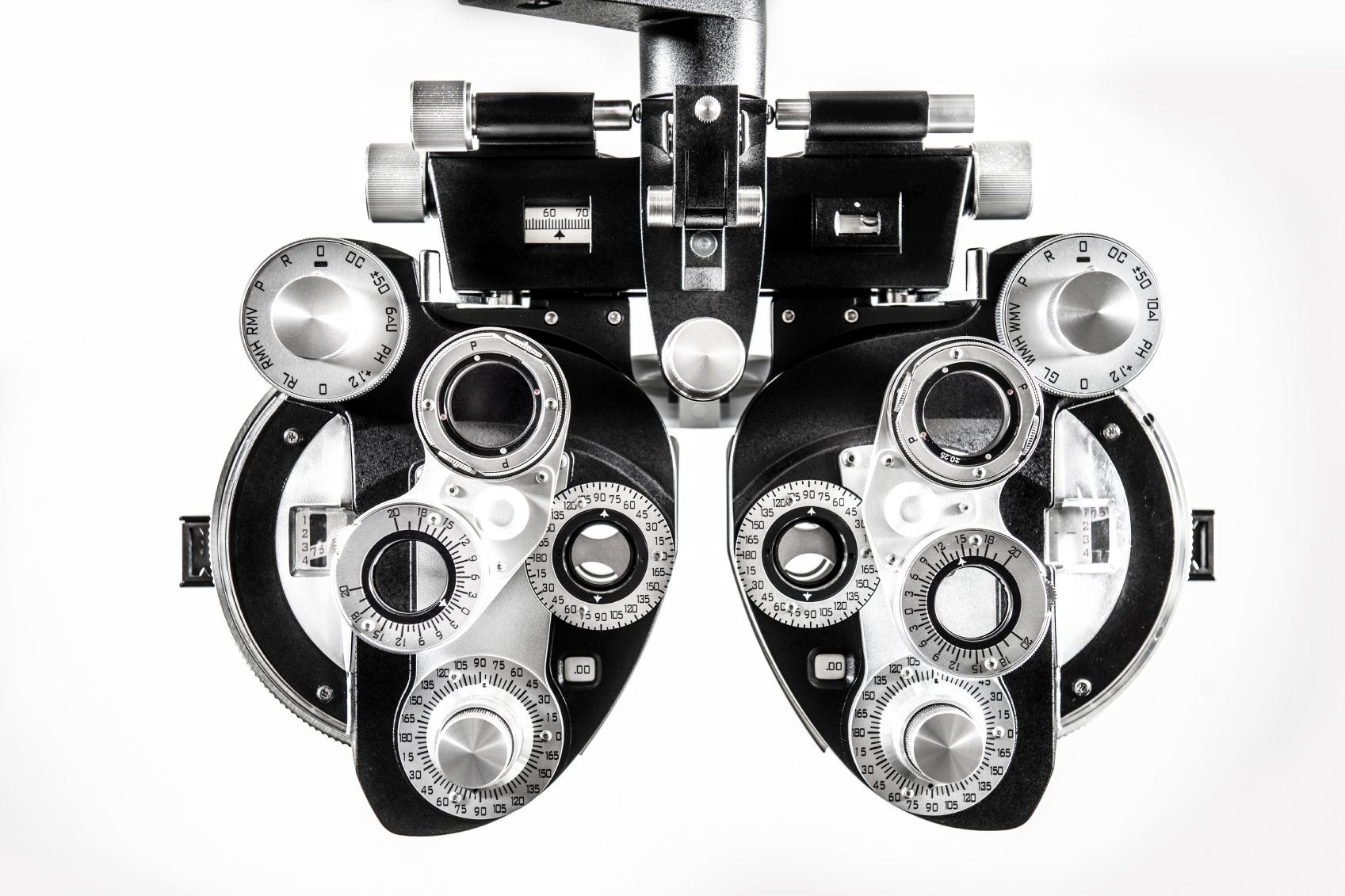
Regular eye exams give your eye care provider an opportunity to check your vision, monitor the health of your eyes, and determine whether your prescription has changed.
Keeping up with eye care becomes especially important as we age and for people who have diabetes, high blood pressure, a family history of eye disease, or other risk factors.
Your eye care professional can recommend how often you should schedule an exam based on your individual needs.
Pay Attention When Your Eyewear Stops Working as Well as It Used To
Vision changes can be gradual. You may start squinting more often, getting headaches, struggling to see road signs, or moving your phone farther away without realizing how much your eyesight has changed.
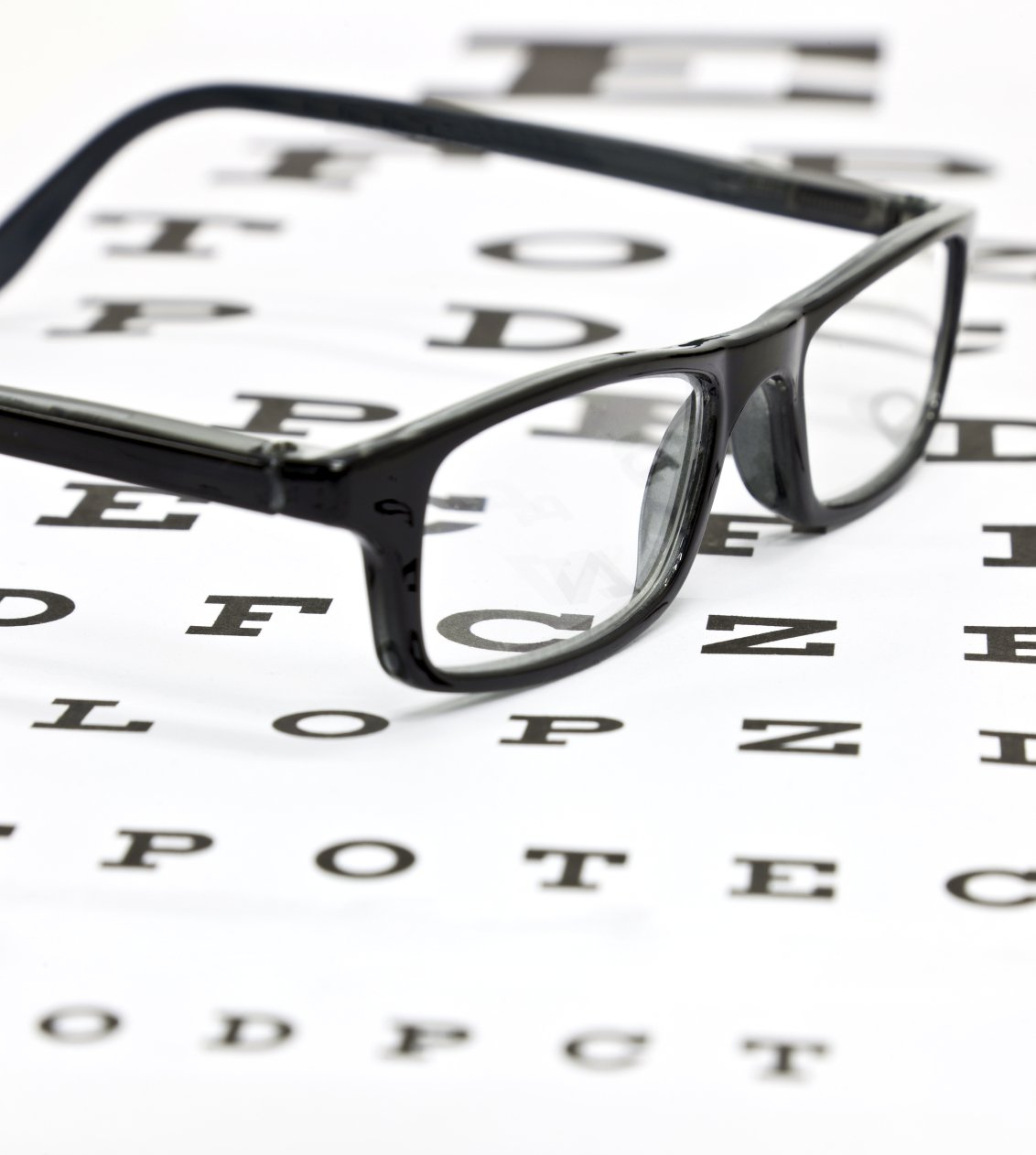
Your prescription glasses, reading glasses, and contact lenses should provide clear, comfortable vision. If they no longer do, an updated eye exam can help determine whether your prescription needs to change.
Buffalo’s Best Opticians LLC offers a wide range of options, including Acuvue contacts, RayBan frames, Cazal frames, and other designer glasses frames.
Know What Your Vision Coverage Includes
Understanding your insurance benefits can make it easier to plan for eye exams, contact lenses, prescription glasses, and frames.
Buffalo’s Best Opticians LLC works with a wide range of vision insurance plans, including Univera, YourCare, EyeMed, Independent Health, Blue Cross & Blue Shield, VSP, MediSource, Medicaid plans, Wellcare, Davis Vision, Fidelis, Superior Vision, Fallon Health, and March Vision.
Coverage and benefits can vary by plan, so our team can help you review your available benefits and better understand what may be covered for eye exams, contact lenses, prescription glasses, and frames.
Healthy Vision Starts With Good Everyday Habits
Taking care of your eyes does not require a complicated routine. In most cases, it comes down to doing the basics consistently: eating a balanced diet, keeping your hands and contact lenses clean, protecting your eyes outdoors, giving them breaks from screens, avoiding smoking, and staying current with professional eye care.
If you have noticed changes in your eyesight, need new reading glasses, are interested in contact lenses, or simply want help finding eyewear that feels comfortable and fits your style, Buffalo’s Best Opticians LLC is here to help.
We proudly serve adults throughout Buffalo, Amherst, Cheektowaga, Tonawanda, West Seneca, Williamsville, NY, and surrounding Western New York communities.
Contact us today to schedule an appointment or learn more about our eyewear and vision care options.